

Just because your chicken stopped laying eggs or has a pale comb and wattle does not mean that she is unhealthy. She could just be broody or going through a molt. It is important to look at your chicken as a whole before you intervene. Do you know how to tell if your chicken is unhealthy?
8 Warning Signs Your Chicken May Be Unhealthy
- Isolating itself from the flock
- Eating and drinking less
- Crop isn’t emptying
- Unusually pale comb and wattle
- Sleeping more or laying low during the day
- Looking unkempt
- Change in droppings
- Stops laying eggs
Tip: One sign alone can be temporary — multiple signs together usually mean it’s time to investigate.
Spotting an unhealthy chicken early can make all the difference. A hen that looks “off” may be showing signs of illness or stress. Here’s what matters most:
- Watch for changes in behavior (lethargy, isolation, unusual aggression)
- Check physical appearance (pale combs, drooping wings, missing feathers)
- Monitor egg production for sudden drops or irregular shells
- Use herbs to naturally support health and prevention
💡 Many chicken keepers rely on calming and cooling herbs—like chamomile, lavender, and peppermint—to reduce stress and help hens stay balanced through seasonal challenges.
There are 8 signs to look for that will help you to determine if your chicken is unhealthy.
1. Separated from the Flock

Chickens are social animals by nature and if they are off on their own, this should be a signal to you that something isn’t right.
Healthy chickens will preen together, sun bathe, eat and drink, peck and scratch the ground and perch together.
Instead, an unhealthy chicken is likely to be off on its own. It may be off in a corner or under a bush. They will instinctively do this not to draw attention to itself.
Sick chickens are picked on by other coop mates because they are a threat to the rest of the flock. They are, “only as strong as their weakest member.” A chicken that is ill is likely to draw attention to predators.
It is sad, but other chickens will peck an unhealthy chicken to death.
This is why it is important to recognize if a chicken is ill and separate them, in a separate enclosure, from the rest of the flock.
🌿 Reduce Stress with Nesting Box Herbs
Stress is one of the biggest contributors to poor chicken health. A calm hen is a healthy hen, and that’s where Nesting Box Herbs can help.
- Lavender – promotes calm and relaxation in the nesting area
- Chamomile – supports relaxation and may aid digestion
- Marigolds – brighten yolks naturally and bring immune support
- Peppermint – freshens the coop and helps with respiratory health
Adding herbs to nesting boxes keeps the coop smelling fresh while giving hens subtle health benefits that reduce stress and improve overall wellness.

Nesting Box Herbs
- Increases egg laying naturally.
- Improves chicken health.
- Deters parasites: mites, lice, fleas & flies as well as mice, rats, raccoons, coyotes, opossums and more!
- On SALE!
- SHOP Nesting Box Herbs
2. Eating and Drinking Less

Chickens are creatures of habit, so when a hen starts eating or drinking less — even subtly — it can be one of the earliest signs that something is off.
What it can signal: Digestive upset, early illness, parasite irritation, pain, or environmental stress (especially heat or cold).
- Skipping treats or scratch: Often the first quiet change before regular feed intake drops.
- Hanging back at the feeder: Pecking order pressure or bullying can prevent timid hens from eating enough.
- Drinking less: May happen with illness, cold weather, or if water is dirty, frozen, or hard to reach.
What to do next: Confirm water is fresh and easy to access, observe feeding time for bullying, and look for additional signs like fluffed posture, dirty vent feathers, or reduced activity.
Quick tip: Add a second feeder or waterer for a day so you can compare intake without competition.
3. Crop Isn’t Emptying
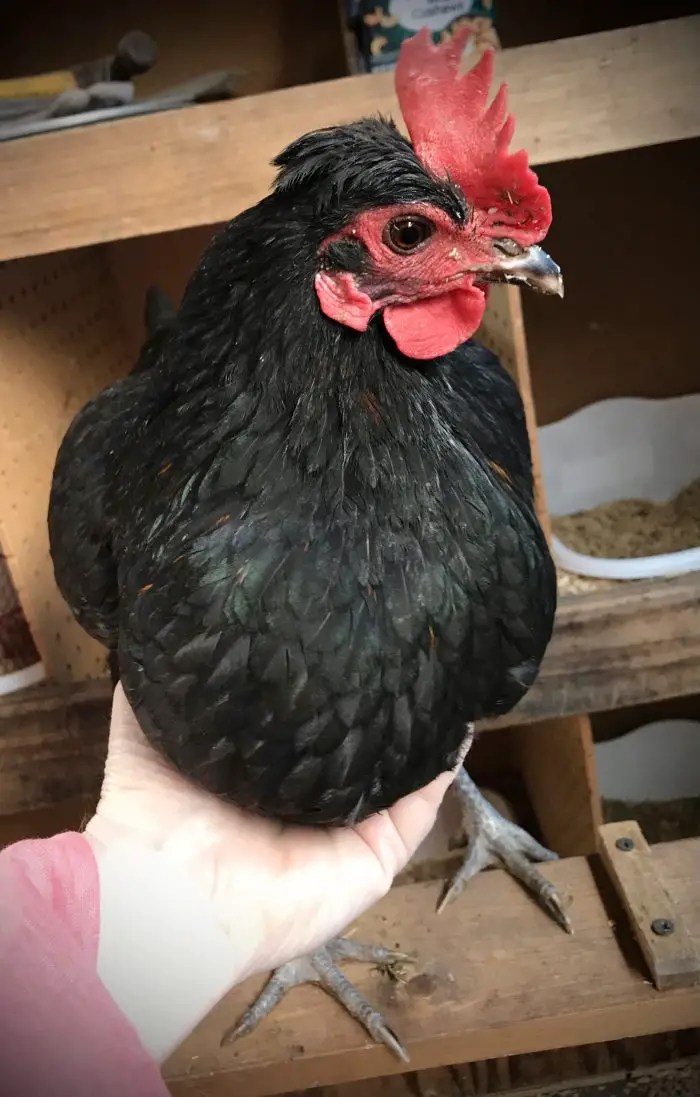
A healthy chicken will fill its crop during the day and by morning it should be completely empty. There are 3 common crop issues that a chicken can develop that will affect their health. The sooner that they are treated, the better the odds of survival are.
3 Common Crop Issues that Can Affect a Chickens Health
- Sour Crop
- Look: Crop is full.
- Feel: Chicken crop is squishy or feels like a water balloon.
- Smell: Breath smells sour.
- Listen: Gurgling coming from crop area. This is the yeast fermenting inside.
- Impacted Crop
- Crop is hard and not pliable when massaged. This can be due to eating too much long, fibrous grass, straw or foreign material.
- Chicken will eat less or stop eating completely. When its crop is full, it send a signal to its brain to stop eating.
- Chicken will poop less because food will not be moving throughout the digestive system.
- Pendulous Crop
- This is a crop that has expanded and the muscles do not contract back to its resting shape. A chicken with a pendulous crop will have a long, distended crop that has difficulty emptying without assistance.

4. Unusually Pale Comb and Wattle
Now, just because a chicken comb and wattle is pale does not always mean it is unhealthy. A young chicken that is not mature and a broody hen will also have a pale comb and wattle. This is completely normal.
It is if you have a mature chicken that once had a red comb and wattle, but suddenly develops a pale comb and wattle and exhibits other symptoms as well, then you should be concerned.
Reasons Chickens Develop a Pale Comb and Wattle
- It has mites, lice or other parasites.
- Chicken may have Marek’s Disease
- Coccidiosis
- Your chicken is experiencing stress
- Malnourished
- Your chicken is experiencing Heat Exhaustion
- Dehydration

- INGREDIENTS: PEPPERMINT, HIBISCUS, LEMON BALM, CHAMOMILE, ROSE PETALS/BUDS
- Helps to lower chicken core body temperature.
- Improves Chicken Health and Well Being
- Releases muscle tension.
- Helps to calm chicken during stressful events(such as excessive heat).
- SHOP: COOLING HERBS for CHICKENS Beat the HEAT!


5. Sleeping More or Staying Low During the Day
Healthy chickens are alert and upright during daylight hours. When a hen spends extended time sitting, sleeping, or staying close to the ground, it often points to reduced energy, discomfort, or internal stress.
- Cold stress: Reduced circulation in colder weather can leave hens conserving energy.
- Early immune strain: Fatigue is often one of the first signs before obvious illness appears.
- Parasites: Internal or external parasites can quietly drain energy long before visible symptoms show.
Seasonal slowdowns are normal — especially in winter — but ongoing lethargy is not. If this behavior continues for more than a day or two, it’s worth checking coop conditions, nutrition, and overall flock health.
Warming Herbs for Chickens

- Supports healthy circulation during colder months
- Helps maintain digestion and steady energy levels
- Encourages comfort when seasonal stress is higher

6. An Unhealthy Chicken Will Look Unkempt
Healthy chickens dust bathe and preen regularly. Unhealthy chickens will stop preening themselves and will not dust bathe.
An unhealthy chickens wings my be held out from its body and be slightly drooped. If may have ruffled looking feathers.
When a chicken preens, it restores the oil to its feathers, giving them a nice sheen or shine. Because it doesn’t preen or dust bathe, it may have dirty or dull looking feathers.
It may have its eyes closed and shiver.
SIGNS OF AN UNKEMPT CHICKEN
Signs of an Unkempt Chicken
An unhealthy chicken often looks “off” before anything else is obvious. Use this quick visual checklist.
- 1Looks unkempt overall (messy, neglected appearance)
- 2Not dust bathing like she normally does
- 3Not preening or grooming herself
- 4Wings held out away from the body
- 5Droopy wings or sagging posture
- 6Ruffled feathers for long periods (not just briefly)
- 7Dull-looking feathers (loss of shine, looks “flat”)
Quick note: A chicken may look scruffy during molt — but if the behavior change is sudden (and she’s not preening or dust bathing), it’s worth a closer look.
Herbs to Aid Digestion & Feather Health
When feathers look ragged or dull, it may point to nutritional deficiencies or stress. Adding digestion-friendly herbs can help your hens get the most from their feed and support healthy feather growth.
My Nesting Box Herbs contain parsley, fennel seed, and rosemary—herbs that aid digestion, boost circulation, and improve nutrient absorption. Over time, you’ll notice shinier feathers and a healthier overall appearance.
Nesting Box Herbs
- Increases egg laying naturally.
- Improves chicken health.
- Deters parasites: mites, lice, fleas & flies as well as mice, rats, raccoons, coyotes, opossums and more!
- On SALE!
- SHOP Nesting Box Herbs
7. Change in Droppings
When a chicken becomes unhealthy, it will often show by affecting its digestive system. This can be seen with a change in the consistency of their droppings as well as the frequency. Any change at all in either the consistency or frequency should be a signal to you that something is wrong.
How a Chickens Health Affects Its Droppings
- Diarrhea
- Chicken Pasty Butt
- No Droppings

8. Hen Suddenly Stops Laying Eggs
When a hen doesn’t feel well, it will put all of its energy into battling whatever ailment it is going through. This means that she will either cut back or stop egg laying all together.
A hen will also cut back or stop laying eggs if she is molting or just broody(trying to hatch a clutch of eggs).
So, this is something that you will need to observe. If your laying hen suddenly stops laying eggs and is also listless, withdrawn or has diarrhea, then you need to be concerned.

If you have a sick chicken, it is especially important to take precautions when cleaning and interacting with them. According to the CDC, you need to “Stop Nuzzling Chickens.”
Herbal Boost for Nesting Areas
Keeping nesting boxes clean and fresh is essential for preventing illness. Herbs like lavender, chamomile, and marigolds don’t just smell good—they naturally deter pests and create a calming space for laying hens.
That’s why I use them in my Nesting Box Herbs blend, which can be sprinkled directly in nest boxes to keep your flock healthier and your coop fresher.
Nesting Box Herbs
- Increases egg laying naturally.
- Improves chicken health.
- Deters parasites: mites, lice, fleas & flies as well as mice, rats, raccoons, coyotes, opossums and more!
- On SALE!
- SHOP Nesting Box Herbs
CONCLUSION: How to Tell if Your Chicken is Unhealthy- 7 Best Signs
Keeping chickens healthy is about prevention + quick response:
- Observe your flock daily for small changes
- Provide clean water, balanced feed, and a tidy coop
- Add herbal support for natural wellness boosts
🌿 My flock thrives with:
- Nesting Box Herbs – lavender, marigolds & chamomile for fresh, calming nests
- Cooling Herbs – hibiscus, peppermint & lemon balm to help in hot weather
A little daily attention, plus these natural helpers, will keep your flock happy, resilient, and laying strong through every season.
How to Tell if Your Chicken Is Unhealthy — 8 Key Signs
| Sign | Why It Matters |
|---|---|
| 1Isolating itself from the flock | Chickens instinctively hide weakness. Pulling away is often the earliest sign of illness, pain, or stress. |
| 2Eating and drinking less | Reduced intake can quickly lead to dehydration and weakness and may point to illness, parasites, or stress. |
| 3Crop isn’t emptying | A crop that stays full overnight can signal slowed digestion or crop-related problems. |
| 4Unusually pale comb and wattle | Paleness may indicate anemia, parasites, poor circulation, or underlying illness. |
| 5Sleeping more or laying low during the day | Fatigue is often one of the first signs of immune strain before other symptoms appear. |
| 6Looking unkempt | When grooming drops off, it’s often because the hen doesn’t feel well enough to care for herself. |
| 7Change in droppings | Ongoing changes in droppings can signal digestive upset, infection, or parasite pressure. |
| 8Stops laying eggs | A sudden pause in laying often reflects stress, illness, parasites, or nutritional imbalance. |
Tip: One sign alone may be temporary — several together usually mean it’s time to take action.

Meet Jenny from Backyard Chickens Mama 🐓
Jenny is a longtime backyard chicken enthusiast who has raised a variety of chicken breeds in her Northern California backyard for more than 27 years.
Favorite Chicken Breeds 🥚
Jenny especially enjoys incubating and hatching fertile chicken eggs and raising baby chicks from day one. Over the years, she has raised many different breeds and loves the colorful variety they bring to the coop and egg basket.
Together, these beautiful breeds create a colorful basket of farm fresh eggs in shades of blue, olive, brown, cream, and speckled tones.
Together, Jenny and her husband built their own chicken coop, and she and her dad built her current chick brooder setup for raising young chicks safely and comfortably.
Over the years, Jenny has learned countless practical tips and flock care routines through hands-on experience caring for her own chickens. She loves sharing those simple, realistic ideas to help others raise happier, healthier, and more productive backyard chickens naturally.
Jenny first created her original Nesting Box Herbs blend to help support calmer hens, cleaner nesting boxes, and healthy laying routines naturally.
As Backyard Chickens Mama continued to grow, additional seasonal herbal blends were developed to help support chickens year-round — including Cooling Herbs for Chickens for hot summer weather and Warming Herbs for Chickens for chilly winter months.
Today, Backyard Chickens Mama offers a full collection of natural herbal chicken care products — including their popular Seasonal Blends bundle — designed to support happier, healthier, more comfortable hens through every season.


